10 September 2025
5 Exercises to Strengthen Your Knees and Avoid Surgery
Discover 5 doctor-recommended exercises to strengthen your knees, relieve arthritis pain, and delay or avoid knee surgery—shared by Dr. Abhijit Kale, leading orthopaedic surgeon in Mumbai.
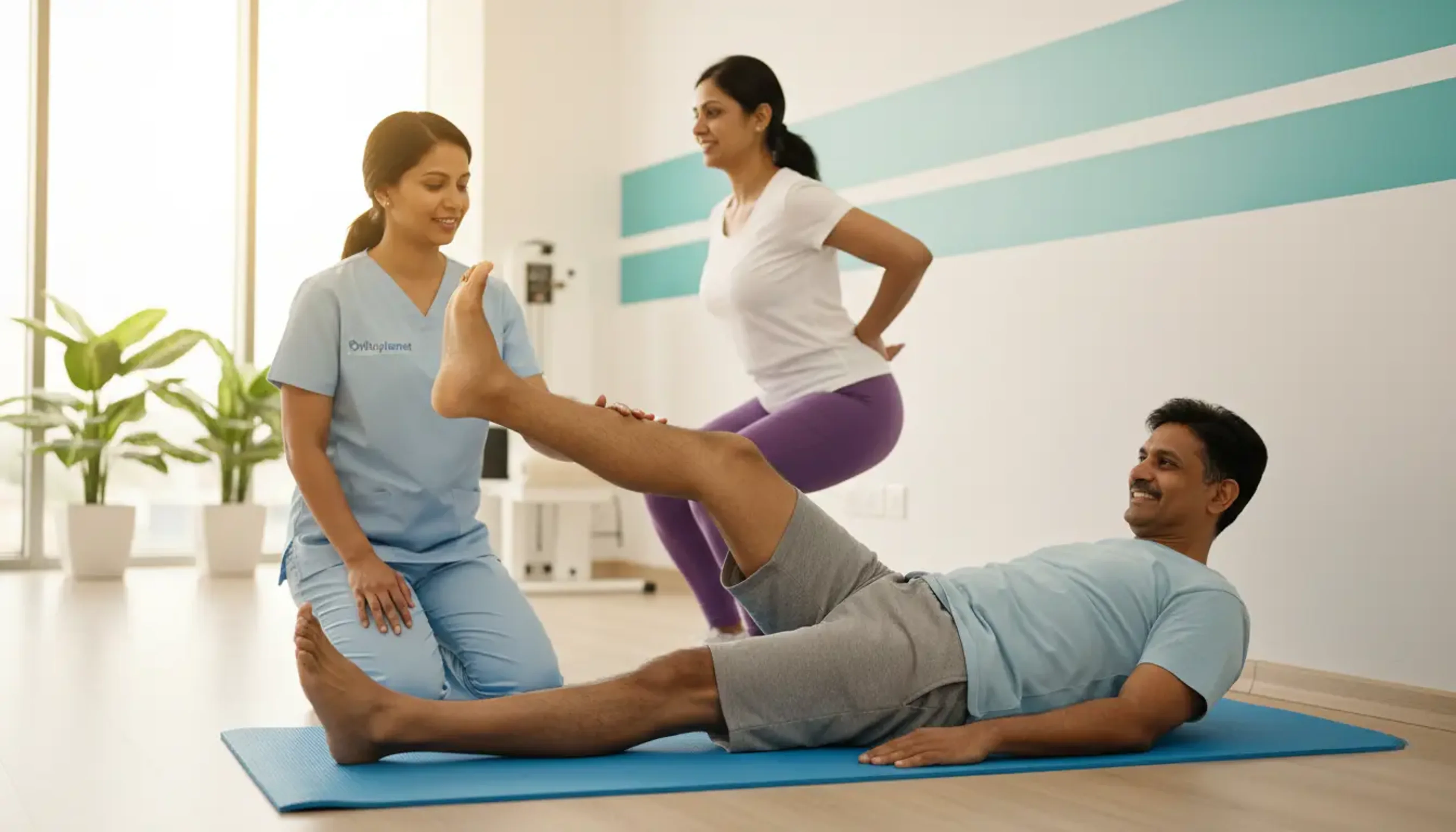
Many patients ask: “Can I really avoid knee surgery with exercise?”
In many cases, the answer is yes—especially in the early to moderate stages of arthritis. Strengthening the muscles around the knee reduces joint load, improves balance, and delays cartilage wear.
Here are five evidence-based exercises recommended by Dr. Abhijit Kale, leading orthopaedic surgeon in Mumbai, to keep your knees strong and mobile.
1. Quadriceps Sets (Static Quads)
The quadriceps—the muscles on the front of your thigh—play a key role in stabilizing your knee joint.
How to do it:
- Sit or lie down with your leg straight.
- Tighten the front thigh muscles and press the knee gently toward the floor.
- Hold for 5–10 seconds, then relax.
- Repeat 10–15 times per leg, 2–3 times daily.
💡 Tip: This is the safest starting exercise after knee injury or early arthritis—gentle yet powerful for joint support.
2. Straight Leg Raise
This exercise strengthens your quads without bending the knee, ideal for painful joints.
How to do it:
- Lie flat on your back with one knee bent and the other straight.
- Lift the straight leg about 12–18 inches, keeping the knee locked.
- Hold for 5 seconds, then slowly lower it.
- Do 10–15 repetitions, 2 sets per leg.
💡 Tip: Keep movements slow and controlled to activate stabilizing muscles effectively.
3. Heel Slides
Heel slides improve range of motion and help maintain flexibility in stiff knees.
How to do it:
- Lie on your back with both legs straight.
- Slowly bend one knee and slide the heel toward your hips.
- Straighten the leg back out.
- Repeat 10–15 times, 2–3 sets.
💡 Tip: Use a towel under your heel for smoother movement if stiffness is severe.
4. Wall Squats (Mini Squats)
Once strength improves, controlled partial squats help build both quadriceps and gluteal muscles.
How to do it:
- Stand with your back against a wall and feet shoulder-width apart.
- Slide down until your knees are bent about 30–45 degrees (not deeper).
- Hold for 5 seconds, then return to standing.
- Repeat 10 times, gradually increasing hold time.
💡 Tip: Avoid going too low—shallow squats protect the joint while still strengthening muscles.
5. Step-Ups
A functional exercise that mimics daily activities like climbing stairs.
How to do it:
- Step up onto a low platform or stair with one leg.
- Straighten the knee fully, then step down slowly.
- Alternate legs for 10–15 reps each.
💡 Tip: Keep your knee aligned with your toes to prevent strain. As you progress, use slightly higher steps for added challenge.
Bonus: The Lifestyle Equation
Strong knees aren’t built by exercise alone. Combine these routines with:
- Weight management: Even small losses reduce knee pressure dramatically.
- Anti-inflammatory diet: Omega-3s, leafy greens, and hydration improve joint health.
- Good footwear: Supportive shoes protect your alignment and reduce impact.
- Avoid deep squats or twisting during flare-ups.
When to Seek Expert Guidance
If knee pain persists beyond 3–4 weeks despite exercise, or if you experience locking, giving way, or swelling, consult an orthopaedic specialist.
Dr. Abhijit Kale's clinic in Dadar, Mumbai offers:
- Personalized physiotherapy programs
- Non-surgical pain management (PRP, HA, or corticosteroid injections)
- Robotic and minimally invasive surgical options for advanced cases
Learn more about knee arthritis treatment options and joint injections for pain relief.
👉 Explore: Physiotherapy • Joint Injections • Contact
FAQs
Can exercises really prevent knee replacement?
Yes—when started early, strengthening exercises can delay or even avoid surgery by improving muscle support and reducing stress on joint cartilage.
How often should I do these knee exercises?
Ideally, 15–20 minutes per day, at least 4–5 days a week. Consistency matters more than intensity.
Can I do these if I already have arthritis?
Absolutely. These are low-impact, safe for mild to moderate arthritis, and should be combined with physiotherapy guidance.
When should I stop exercising and see a doctor?
Stop immediately if you notice sharp pain, sudden swelling, or instability. These could indicate a ligament or cartilage issue needing evaluation.
Takeaway
Simple, consistent exercises can strengthen your knees, relieve pain, and reduce the need for surgery.
With Dr. Abhijit Kale’s expert guidance in Mumbai, patients regain mobility and confidence through tailored, non-surgical programs designed to protect their joints for years to come.
👉 Stay active, stay strong—start with these 5 exercises today.

Need Expert Orthopaedic Care?
Consult Dr. Abhijit Kale, Mumbai's trusted expert in Robotic Joint Replacement & Spine Surgery. Get a personalized treatment plan today.