29 November 2025
How to Prevent Knee Pain: Daily Habits That Keep Your Joints Healthy
Learn the most effective ways to prevent knee pain through daily habits, strengthening routines, posture correction, and lifestyle changes. Guidance from Mumbai orthopaedic specialist Dr. Abhijit Kale.
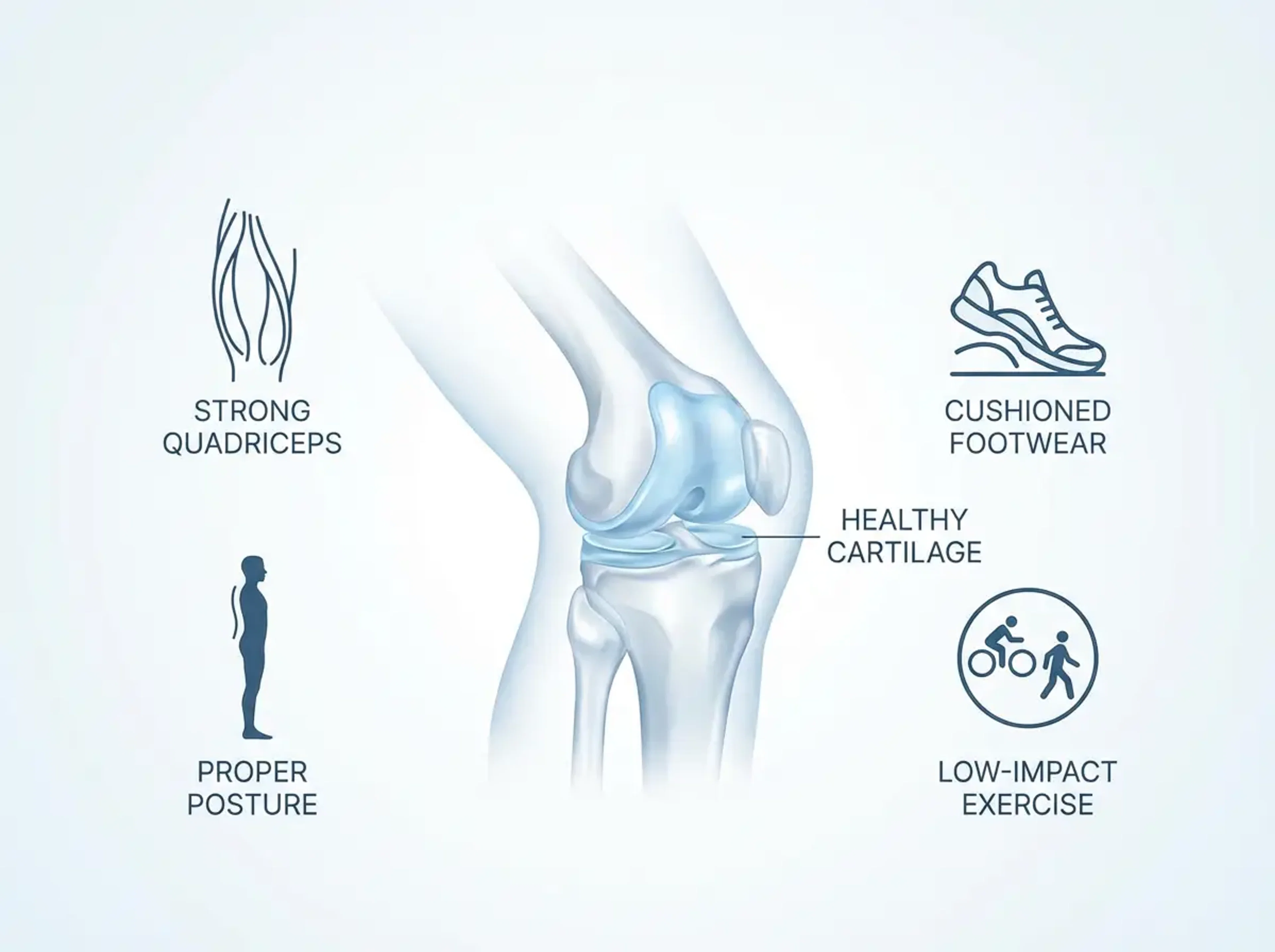
Knee pain is one of the most common complaints across all age groups—from office workers and runners to seniors and homemakers.
The good news? Most knee pain is preventable with the right daily habits and joint-care routine.
Whether you’re trying to avoid future problems or want to protect your knees from early arthritis, these doctor-approved tips can make a major difference.
Why Preventing Knee Pain Matters
Your knees support your entire body weight with every step.
Weak muscles, poor posture, excess weight, and overuse can easily strain them—leading to long-term issues like:
- Early wear and tear
- Tendonitis
- Cartilage thinning
- Meniscus strain
- Osteoarthritis
Preventing knee pain today helps you stay active, mobile, and pain-free in the years ahead.
How to Prevent Knee Pain: Doctor-Approved Strategies
1. Strengthen the Muscles Around Your Knee
Strong muscles = stable knees.
Focus on strengthening:
- Quadriceps
- Hamstrings
- Glutes
- Calf muscles
These muscle groups absorb shock, reduce pressure on the joint, and keep the knee aligned.
Exercises to include:
- Straight-leg raises
- Wall sits
- Glute bridges
- Hamstring curls
- Step-ups
👉 Just 10–12 minutes a day can drastically reduce knee strain.
2. Maintain a Healthy Body Weight
Every extra kilogram puts 3–4 kg of pressure on the knee joint.
Weight reduction significantly lowers the risk of:
- Knee arthritis
- Cartilage breakdown
- Chronic pain
Even a 5–7% weight loss can reduce knee stress dramatically.
3. Avoid High-Impact Activities
Activities that strain your knee include:
- Jumping exercises
- Running on hard surfaces
- Deep squats with heavy weights
- Sudden twisting movements
Choose low-impact alternatives like cycling, swimming, elliptical training, or fast walking for joint-friendly fitness.
4. Improve Your Posture & Movement
Poor form during daily activities can silently damage your knees.
Avoid:
- Sitting cross-legged for long hours
- Slouching while standing
- Climbing stairs multiple times a day unnecessarily
- Sudden bending or twisting
Adopt:
- Straight spine posture
- Micro-breaks every 45 minutes
- Gentle stretching during work
- Controlled bending/lifting techniques
5. Choose the Right Footwear
Your knees depend on proper foot alignment.
Wrong shoes = knee pain over time.
Choose footwear with:
- Cushioning
- Arch support
- Shock absorption
- Stable heel
Replace worn-out shoes every 6–8 months, especially if you walk or run regularly.
6. Warm Up Before Exercise
Cold muscles = stiff joints.
A 5-minute warm-up improves blood flow and reduces injury risk.
Examples:
- Gentle walking
- Leg swings
- Light squats
- Ankle mobility drills
7. Don’t Ignore Early Pain
A small discomfort today can become a major knee problem tomorrow.
Seek early help if you notice:
- Persistent pain
- Clicking or catching
- Swelling
- Stiffness
- Difficulty climbing stairs
Early evaluation prevents long-term cartilage or ligament damage.
How Dr. Abhijit Kale Helps Patients Prevent Knee Pain
- 20+ years of orthopaedic expertise
- Accurate diagnosis using clinical tests + digital X-rays
- Personalized strengthening programs
- Guidance on footwear, posture, and activity modification
- Minimally invasive treatments if needed
- Physiotherapy & rehabilitation support
Dr. Kale focuses on long-term joint preservation—not just temporary relief.
FAQs
Can knee pain be fully prevented?
Not always, but most cases can be significantly reduced with lifestyle changes.
Should I avoid all workouts if I have knee pain?
No. Low-impact exercises help strengthen the knee and reduce pain.
Is walking good for knee health?
Yes—when done with proper shoes and surface.
When should I consult a doctor?
If pain lasts more than 1–2 weeks, or if there’s swelling, locking, or weakness.
Takeaway
Healthy knees are built through consistent habits.
By strengthening your muscles, maintaining good posture, staying active, and listening to early warning signs, you can significantly reduce the risk of knee pain.
For persistent or recurring knee discomfort, consult Dr. Abhijit Kale for a personalized treatment plan.
👉 Book your consultation: /contact
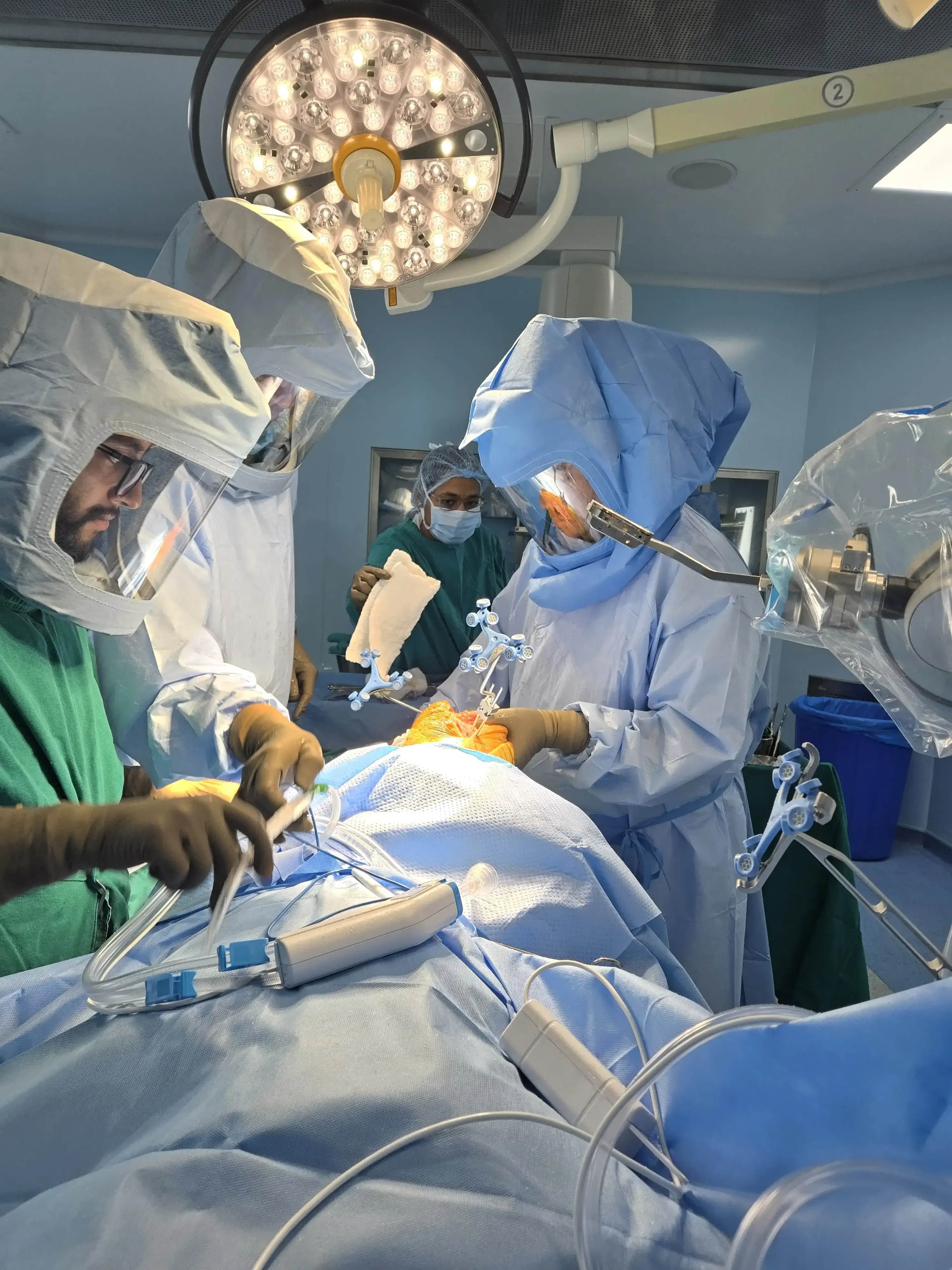
Need Expert Orthopaedic Care?
Consult Dr. Abhijit Kale, Mumbai's trusted expert in Robotic Joint Replacement & Spine Surgery. Get a personalized treatment plan today.